The Final Gavel Falls and Sports Betting Is Still on the Sideline
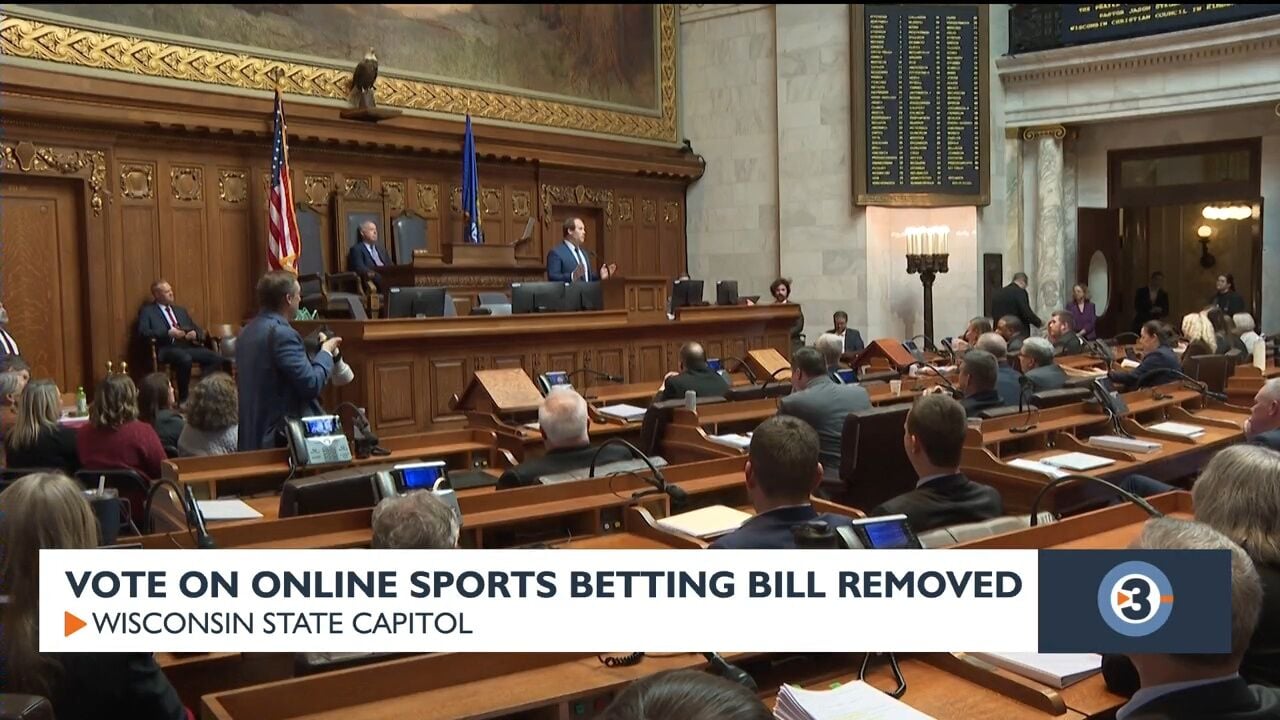
Wisconsin had a real shot at expanding legal sports betting beyond its tribal casino monopoly in 2024, and it blew it. When the state Assembly gaveled out its final session of the legislative term, a bill that could have opened the door to mobile and commercial sports wagering died without a vote. For the millions of Badger State residents already betting through offshore platforms or driving to neighboring states, this is yet another legislative cycle lost to political gridlock and tribal sovereignty complexities. The Wisconsin sports betting bill was one of the most-watched pieces of legislation in the session, and its failure signals that meaningful reform is still years away.
- Wisconsin’s sports betting expansion bill failed to advance in the Assembly’s final session of the term.
- Tribal gaming compacts remain the dominant legal framework, blocking commercial mobile betting operators.
- The failure pushes any realistic legislative action to at minimum the 2025-2026 session.
- Several other high-profile bills passed, including measures on Medicaid, PFAS, and breast cancer screening.
- Wisconsin bettors continue to face a restricted market while neighboring states capture significant handle.
What Was Actually on the Table
The sports betting proposal before the Wisconsin Assembly was not a radical overhaul. Advocates had stripped it down to make it politically palatable, focusing on a framework that would allow existing tribal casino operators to offer mobile wagering statewide rather than introducing new commercial competitors. This approach was designed specifically to avoid triggering opposition from the Ho-Chunk Nation and other tribal gaming stakeholders who hold exclusive compacts with the state.
Despite the compromise architecture, the bill still could not generate the coalition it needed. Republican Assembly leadership, which controls the chamber, declined to bring it to the floor for a final vote. The reasons were familiar: concerns about problem gambling infrastructure, unresolved revenue-sharing mechanics, and disagreements about which platforms and operators would qualify under a new licensing regime.
Analyst’s Note: Wisconsin is one of the most anomalous sports betting markets in the Midwest. It borders Illinois, Michigan, and Iowa, all of which have fully operational mobile betting markets generating hundreds of millions in annual tax revenue. The political will to act simply has not matched the economic opportunity.
The Tribal Compact Problem Is Not Going Away
Any honest analysis of Wisconsin’s sports betting stalemate has to center on the tribal gaming compact issue. Under current agreements with the state, Wisconsin’s 11 federally recognized tribes hold exclusive rights to operate Class III gaming, which includes casino-style games and sports wagering. These compacts are legally binding and were negotiated under the Indian Gaming Regulatory Act (IGRA).
When commercial operators like DraftKings or FanDuel attempt to enter a state like Wisconsin, they run directly into this exclusivity wall. Any legislation that attempts to license non-tribal operators risks violating existing compact terms, opening the state to litigation and jeopardizing hundreds of millions in annual compact fee payments that fund state programs.
What a Tribe-Only Mobile Model Would Look Like
The model that came closest to advancing would have required commercial mobile platforms to partner directly with tribal operators, essentially acting as technology skins under a tribal license. This is similar to frameworks used in states like Connecticut, where the Mohegan Tribe and Mashantucket Pequot Tribal Nation operate mobile betting through their own branded apps with commercial technology partners.
The challenge in Wisconsin is scale and appetite. Some tribal operators are genuinely interested in mobile expansion. Others see it as a threat to their brick-and-mortar casino revenue and prefer the status quo. Without unified tribal support, even a tribe-first bill faces headwinds.
What the Failed Bill Means for Wisconsin Bettors Right Now
The practical impact is straightforward and frustrating. Wisconsin residents who want to bet on sports legally must physically travel to a tribal casino to do so. The state has no legal mobile betting options through regulated domestic operators.
What this creates is a well-documented leak of both players and taxable revenue. Illinois alone has generated over $30 billion in all-time handle since launching mobile betting in 2020. A portion of that action comes from Wisconsin residents crossing the border, according to geolocation data cited by industry analysts. Every month Wisconsin delays is another month of untaxed handle flowing to neighboring states and offshore books.
Pro Tip: If you are a Wisconsin resident currently using an offshore sportsbook, understand that these platforms operate outside US consumer protection frameworks. You have no recourse if a platform withholds a payout, and your deposits are not insured by any regulatory body.
The Underground and Offshore Market Reality
Prohibition-style restrictions do not eliminate demand. They redirect it. Wisconsin’s betting population is active, engaged, and spending money on platforms that return zero tax revenue to the state and offer zero consumer protections. Operators like Bovada and MyBookie continue to serve Wisconsin residents openly, operating from offshore jurisdictions with no fear of state enforcement action.
This is the real cost of legislative inaction: not just lost tax revenue in the abstract, but concrete harm to consumers who have no legal alternative and no recourse when things go wrong.
The Legislative Landscape Going Forward
With the Assembly session closed, the sports betting question now resets entirely. Any new legislation would need to be introduced in the 2025-2026 session, go through committee hearings, and build a new coalition. That is, realistically, a 2026 timeline at the earliest for any law to take effect.
There are a few variables that could accelerate the timeline. A change in Assembly leadership priorities, a significant budget shortfall that makes new gaming revenue attractive, or a high-profile tribal operator publicly championing mobile expansion could all shift the calculus. The Wisconsin Elections Commission results in November 2024 will be worth watching for how they reshape the Assembly’s composition and appetite for gaming reform.
Other Bills That Did Pass This Session
While sports betting stalled, the Assembly’s final session was not without activity. Several bills did advance, providing context for the legislative priorities that dominated the session’s closing hours. Measures related to breast cancer screening coverage mandates passed with bipartisan support. Legislation addressing PFAS contamination standards and Medicaid reimbursement rates also moved forward. A bill colloquially known as Gail’s Law, related to missing persons protocols, cleared the chamber. These were the session’s genuine wins, reflecting areas where political consensus was achievable, unlike the deeply complex terrain of gaming expansion.
The Bottom Line
Wisconsin’s sports betting failure in 2024 is not a surprise, but it is a missed opportunity with real costs. The state sits in the middle of one of the most competitive legal betting markets in the country, surrounded by states capturing billions in handle and generating meaningful tax revenue, while Badger State legislators remain gridlocked over compact mechanics and licensing frameworks.
The tribal sovereignty dimension is real and must be respected, but it is not an insurmountable barrier. Connecticut proved that. The question for Wisconsin is whether its legislators and tribal partners can find the alignment that has eluded them through multiple sessions. Until they do, Wisconsin bettors will keep placing wagers through channels that offer them no protection and the state no benefit.
The next realistic window is 2026. The cost of waiting is already being counted, just not in Madison.
:max_bytes(150000):strip_icc():focal(680x343:682x345)/Donny-Osmond-performs-Las-Vegas-021726-86ccbd40773f4c13b93b8a2e086f8cba.jpg)
