
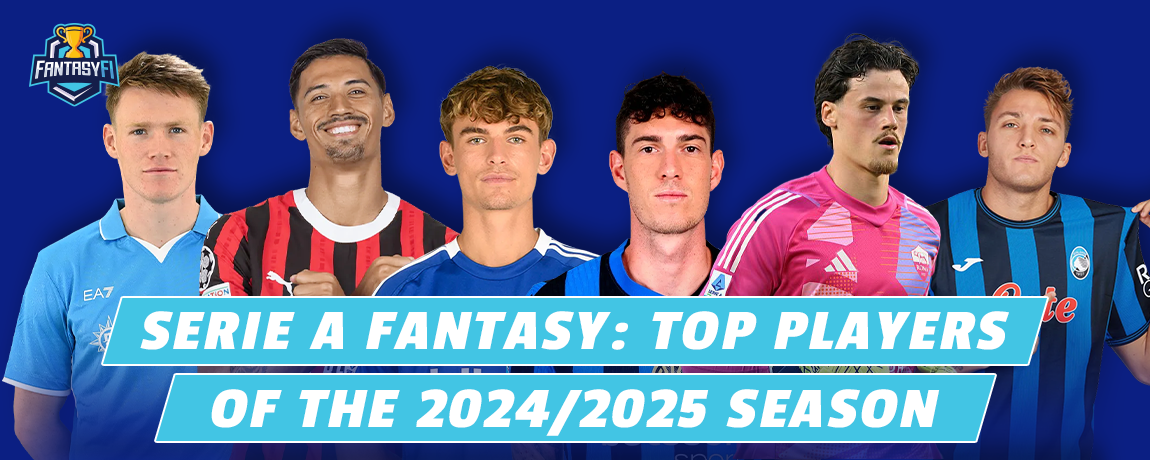
Italy’s top football league just made a power play that could reshape the European sports betting landscape. Serie A has officially approved the acquisition of Fantacalcio, Italy’s most beloved fantasy football platform, marking a strategic pivot from passive licensing deals to direct ownership of gaming assets. This isn’t just another corporate transaction it’s a calculated bet on vertical integration in a market where regulatory frameworks and player engagement are colliding in unprecedented ways.
The move comes as European sports leagues scramble to monetize fan engagement beyond traditional broadcasting rights. With Serie A fantasy football commanding millions of active users during peak season, the league is essentially buying the rails on which a significant portion of fan interaction already runs. The question isn’t whether this will impact the sports betting ecosystem it’s how fast competing leagues will follow suit.
Key Takeaways
- Serie A acquires Fantacalcio to vertically integrate gaming operations and control fan engagement infrastructure
- The deal positions the league to compete directly with third party fantasy platforms and potentially licensed sportsbooks
- Regulatory approval signals Italian authorities are comfortable with league operated gaming ventures under current frameworks
- Expect accelerated fantasy sports betting convergence as leagues seek to capture revenue currently flowing to operators
- Player data ownership becomes a critical competitive advantage in personalized betting product development
The Strategic Architecture Behind the Deal
Fantacalcio isn’t a startup moonshot it’s a proven platform with deep roots in Italian football culture. The fantasy game has operated for years as the default gathering point for Serie A fans building virtual squads, tracking player performance, and competing in private leagues. By acquiring this asset, Serie A gains immediate access to behavioral data, user preferences, and engagement patterns that would cost millions to replicate from scratch.
From a business architecture perspective, this is textbook vertical integration. The league now controls the content (live matches), the intellectual property (team and player likenesses), and a primary distribution channel for interactive fan experiences. Third party operators who previously white labeled fantasy products around Serie A content now face a competitor with unmatched first party advantages.
Technical Specs: What Serie A Actually Bought
While financial terms remain undisclosed, the acquisition includes Fantacalcio’s entire technical stack user database, mobile applications, scoring algorithms, and crucially, the brand equity associated with the platform. Industry analysts estimate the active user base fluctuates between 2 4 million users during the football season, with engagement peaking around matchdays.
The platform’s core mechanics revolve around weekly squad selection, real time performance scoring, and league based competition formats. Unlike daily fantasy sports (DFS) models popular in North America, Fantacalcio operates on a season long commitment structure, creating stickier user retention but lower transaction frequency. This presents both an opportunity and a challenge for Serie A’s gaming ambitions.
Market Comparison: How This Stacks Against Competitor Moves
Serie A isn’t pioneering league owned gaming it’s playing catch up with a localized twist. The NBA’s partnership with FanDuel and DraftKings, LaLiga’s data licensing empire, and the Premier League’s cautious approach to betting partnerships all represent different models for monetizing fan engagement through gaming.
What makes the Fantacalcio acquisition distinct is outright ownership rather than revenue sharing partnerships. The league isn’t licensing its brand to a gaming operator; it’s becoming the operator. This carries significantly higher regulatory risk but also eliminates the middleman taking a cut of gross gaming revenue (GGR).
The Italian Regulatory Context
Italy’s gaming regulatory framework, overseen by the Agenzia delle Dogane e dei Monopoli (ADM), maintains strict licensing requirements but has shown willingness to approve fantasy sports products that emphasize skill over chance. The approval of this acquisition suggests regulators view league operated fantasy platforms as falling within acceptable parameters likely because traditional Fantacalcio scoring doesn’t involve direct monetary wagering in its base format.
However, the strategic end game likely involves integrating real money gaming mechanics paid entry tournaments, NFT based player cards, or hybrid fantasy sportsbook products. Each of these would require additional licensing layers and careful navigation of Italy’s advertising restrictions on gambling products.
Analyst’s Note: Watch for Serie A to pilot micro transaction models within Fantacalcio before pursuing full sportsbook integration. The platform’s existing user base provides a ready made testing ground for converting free to play engagement into revenue generating gaming behavior without triggering immediate regulatory scrutiny.
Player Psychology and Engagement Dynamics
The acquisition’s success hinges on understanding why millions of Italians already use Fantacalcio without monetary incentives. The platform taps into social competition, tribal football loyalty, and the illusion of control the same psychological drivers that make sports betting compelling.
By owning this engagement layer, Serie A can experiment with:
- Gamified loyalty programs that reward fantasy performance with matchday experiences or merchandise
- Predictive betting integrations where fantasy lineup decisions inform suggested wager types
- Exclusive content access tiered to fantasy league performance or platform tenure
Each of these represents a potential revenue stream that doesn’t exist when the fantasy platform is operated by a third party. More importantly, they create first party data assets that inform everything from player transfer marketing to broadcast scheduling decisions.
The Operator Impact: Who Wins and Who Loses
Established sportsbook operators should view this acquisition as a warning shot. Serie A now has the infrastructure to bypass traditional B2B partnerships and offer direct to consumer gaming products. While a fully licensed sportsbook remains a heavy lift, the fantasy to betting pipeline is well documented in markets like the United States.
Potential Disruption Vectors
Licensed operators currently paying Serie A for data rights and branding may find themselves competing against their own content supplier. The league could theoretically:
- Launch a Serie A branded betting app powered by white label technology from an established platform provider
- Negotiate exclusive in play data windows for its own products, degrading third party betting experiences
- Require operators to integrate Fantacalcio accounts for Serie A specific promotions, funneling users toward league owned properties
None of these scenarios require Serie A to become a licensed bookmaker overnight. They simply require leveraging owned assets to tilt competitive dynamics in their favor.
Expert Verdict: A Calculated Risk with Long Term Upside
The Fantacalcio acquisition represents Serie A’s recognition that fan engagement infrastructure is now a strategic asset, not just a licensing opportunity. In an era where player attention is fragmented across streaming platforms, social media, and gaming ecosystems, owning a proven aggregation point for millions of users provides optionality that traditional broadcast deals cannot match.
From a pure gaming perspective, the platform’s current form offers limited direct monetization compared to modern DFS or sportsbook products. The real value lies in its potential as a Trojan horse for more lucrative gaming formats, audience intelligence, and vertical integration across Serie A’s commercial operations.
For operators, this should accelerate contingency planning around league operated gaming products. The days of sports properties being passive content suppliers are ending. For players, the shift raises important questions about data privacy, responsible gaming safeguards when leagues have direct financial stakes in betting outcomes, and whether platform consolidation ultimately serves user interests.
The Fantacalcio deal won’t transform Serie A into a gaming giant overnight, but it positions the league to capture value that’s currently flowing to intermediaries. In a market where margins are measured in basis points and user acquisition costs spiral upward, that kind of structural advantage compounds quickly. Other leagues are watching and likely drafting their own acquisition shortlists.