
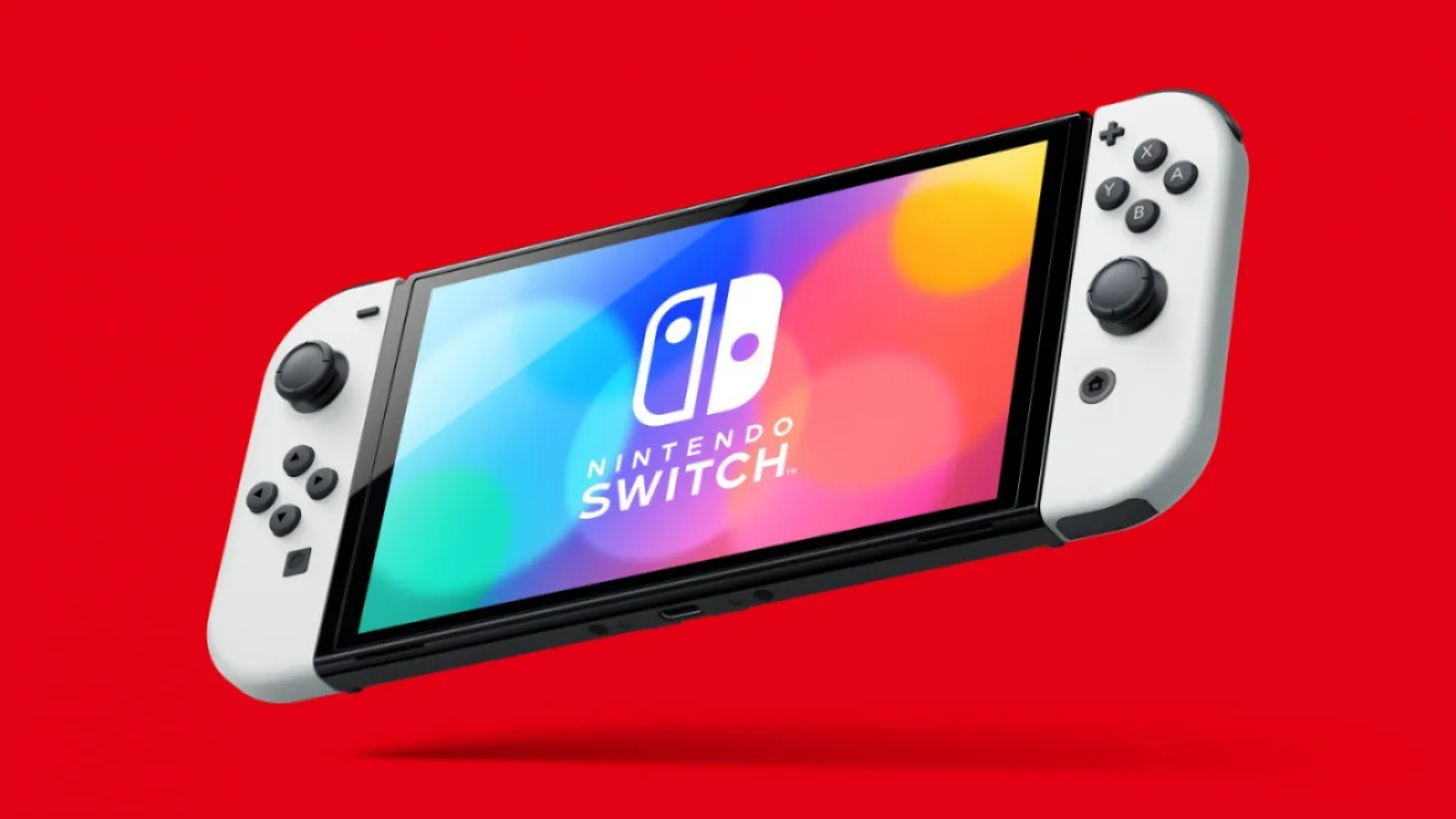
The Nintendo Switch has officially surpassed the PlayStation 2 to become the best selling gaming console of all time. This isn’t just a milestone it’s a masterclass in market positioning, hardware innovation, and understanding what players actually want. While Sony and Microsoft battled over teraflops and 4K resolution, Nintendo Switch quietly rewrote the rules of console gaming by making portability and accessibility the core value proposition.
The numbers tell a compelling story: over 155 million units sold worldwide since its 2017 launch, outpacing the PS2’s 154.9 million lifetime sales. But raw figures only scratch the surface. The Switch’s dominance reveals fundamental shifts in how players consume interactive entertainment and how platform holders can win without competing on traditional specs.
Key Takeaways
- Market Leadership: Nintendo Switch has sold over 155 million units, officially surpassing the PlayStation 2’s 154.9 million lifetime record.
- Hybrid Strategy: The console’s unique portable home design created an entirely new category rather than competing head to head with Sony and Microsoft.
- Software Ecosystem: First party franchises like Zelda, Mario, and Animal Crossing drove sustained hardware demand across seven years.
- Demographic Expansion: The Switch captured casual, family, and hardcore segments simultaneously a feat no previous console achieved at this scale.
- Longevity Model: Unlike traditional 5 6 year cycles, Nintendo extended the Switch’s lifecycle through iterative hardware (OLED model) and consistent software releases.
The Hybrid Revolution: Technical Design as Market Differentiation
The Switch’s core innovation wasn’t graphical horsepower it was architectural flexibility. By engineering a console that seamlessly transitions between handheld and TV modes, Nintendo solved a problem competitors didn’t know existed. The custom NVIDIA Tegra processor, while underpowered compared to PS5 or Xbox Series X, delivered exactly what the target audience prioritized: consistent performance in both modes and extended battery life.
This technical decision had profound market implications. Players could start The Legend of Zelda: Breath of the Wild on their morning commute and continue on the big screen at home without friction. That continuity of experience became the platform’s signature advantage, especially during the 2020 2021 period when portable home entertainment saw unprecedented demand.
Hardware Iterations and Market Timing
Nintendo deployed a textbook hardware refresh strategy. The Switch Lite (2019) targeted budget conscious and handheld only users at $199, while the OLED model (2021) appealed to premium buyers willing to pay $349 for an enhanced screen and improved kickstand. This segmentation kept the platform relevant across multiple price points without cannibalizing the core $299 model.
Analyst’s Note: The OLED model’s launch timing was critical. By waiting until the original Switch had saturated early adopters, Nintendo captured upgrade buyers and new users simultaneously, extending the sales curve when most consoles would be declining.
The Software Moat: Why First Party IP Still Dominates
Hardware doesn’t sell consoles games do. Nintendo understood this better than anyone. While the Switch launched with Breath of the Wild, the platform sustained momentum through a disciplined release cadence of marquee titles. Mario Kart 8 Deluxe has sold over 62 million copies, Animal Crossing: New Horizons moved 45 million units, and Super Smash Bros. Ultimate claimed 34 million sales.
These aren’t just commercial successes they’re system sellers. Each major release drove hardware spikes, creating a virtuous cycle where software funded more development, which drove more hardware adoption. Third party publishers noticed: indie developers flocked to the eShop, and even major studios like Bethesda, CD Projekt Red, and Rockstar ported flagship titles despite technical compromises.
The Long Tail Strategy
Unlike competitors who frontload releases, Nintendo spread tentpole titles across the entire lifecycle. Tears of the Kingdom arrived in 2023 six years post launch and still moved millions of consoles. This extended tail approach kept the platform fresh and prevented the typical year five sales cliff.
Market Dynamics: Who the Switch Actually Beat
Dethroning the PS2 isn’t just symbolic. Sony’s console benefited from being a affordable DVD player during the format’s ascendance, expanding its market beyond gaming. The Switch achieved comparable penetration through different means: by collapsing the handheld and home console categories into one addressable market.
The real competition wasn’t PlayStation or Xbox it was mobile gaming. By offering premium, controlled input experiences that phones couldn’t replicate, Nintendo carved out a niche that justified dedicated hardware in an era of smartphone ubiquity. The $60 price point for first party titles (vs. free to play mobile) signaled quality and completeness, attracting users fatigued by microtransaction heavy alternatives.
Demographic Capture
The Switch’s player base spans 6 to 60. Kids played Pokemon, parents enjoyed Animal Crossing, and hardcore gamers spent hundreds of hours in Splatoon 3. This demographic breadth is rare; most consoles skew heavily toward one age group. Nintendo’s family friendly brand positioning, combined with deep mechanical complexity in titles like Xenoblade Chronicles, allowed them to have it both ways.
What This Means for the Industry
The Switch’s success validates several strategic principles that will shape the next hardware generation. First, raw power isn’t everything user experience and flexibility matter more. Second, a strong software library beats third party dependence. Third, extending hardware lifecycles through smart refreshes can outperform traditional short cycles.
For competitors, the lesson is clear: competing on Nintendo’s terms (unique value proposition, exclusive IP) is more sustainable than matching specs. Microsoft’s pivot to Game Pass and cloud gaming reflects this thinking, as does Sony’s investment in live service titles to complement single player blockbusters.
Pro Tip: For consumers, the Switch’s record sales signal a healthy second hand market and continued software support. Buying into the ecosystem in 2024 still makes sense, especially with rumors of a Switch 2 likely maintaining backward compatibility.
The Bottom Line: Execution Over Innovation
The Switch didn’t invent hybrid gaming the concept existed in prototypes and niche devices. What Nintendo executed was a polished, mass market implementation backed by world class software. The result is a console that sold more units than any device in history, reshaped industry expectations, and proved that understanding your audience beats outspending rivals on R&D.
As the gaming industry grapples with rising development costs, platform fragmentation, and subscription fatigue, the Switch stands as evidence that focused strategy and player centric design win markets. Whether Nintendo can repeat this formula with its next platform remains the industry’s biggest question. But for now, the Switch’s throne is secure and the playbook it created will influence console design for the next decade.