
Introduction
Maine has taken a historic step in its gaming policy by legalizing online gambling under state law and granting exclusive operational rights to the state’s federally recognized tribes, known collectively as the Wabanaki Nations. Governor Janet Mills has allowed Legislative Document 1164 officially “An Act to Create Economic Opportunity for the Wabanaki Nations Through Internet Gaming” to become law without her signature, making Maine the eighth U.S. state to authorize regulated online casino and poker play. Tribal leaders say the move will bolster economic sovereignty and fund essential community services, while critics raise concerns about social impacts and effects on existing casinos. Maine tribal online gambling represents a significant evolution in both tribal self determination and state gaming markets.
Key Takeaways
- Maine now authorizes online gambling including poker and casino games under LD 1164, a bill supported by tribal leaders.
- The Wabanaki Nations gain exclusive rights to operate internet gaming services within the state.
- Governor Mills allowed the bill to become law, signaling bipartisan cooperation despite initial opposition.
- Tribal governments argue new revenues will fund health, education, housing, and social services.
- Opposition groups have criticized the change and are considering a referendum to overturn it.
The Path to Legal Online Gambling
Maine’s gaming landscape has been evolving for years. In 2022, the state amended the Maine Indian Claims Settlement Act to allow tribal governments to operate mobile sports betting, laying groundwork for broader digital wagering operations. LD 1164 builds on that foundation by extending tribal authority to online casino and poker formats under regulated conditions.
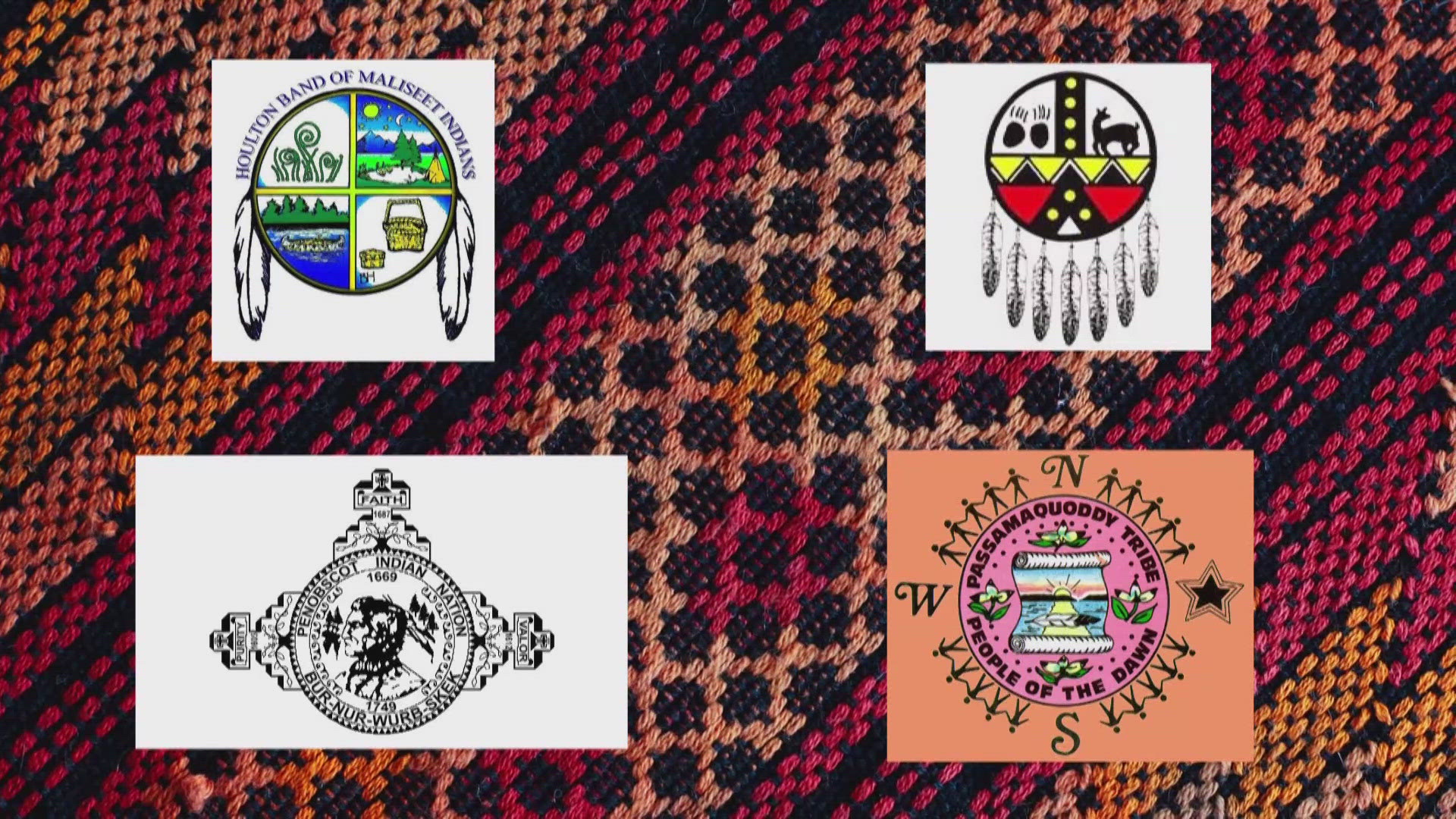
Governor Mills initially expressed reservations about expanding gambling access, but after discussions with the elected chiefs of the five Wabanaki Nations including the Mi’kmaq Nation, Penobscot Nation, Passamaquoddy Tribes at Indian Township and Sipayik, and Houlton Band of Maliseet Indians she determined that a regulated framework could support responsible play while providing economic opportunity. She emphasized confidence in the state’s Gambling Control Unit to craft rules that hold operators accountable and protect public health.
Economic and Sovereignty Impacts
Tribal leaders celebrated the law as a milestone in economic development and self determination. Chief William Nicholas Sr. of the Passamaquoddy Tribe at Indian Township described the decision as a “turning point” that will strengthen tribal economies and allow investment in community needs and infrastructure. Similarly, Chief Sheila McCormack of the Mi’kmaq Nation highlighted that online gambling revenues will fund essential services such as health care and welfare programs.
Granting the Wabanaki Nations exclusive rights to internet gaming including casino and poker offerings could redirect spending from unregulated black market sites to a licensed, accountable system. Tribal leaders have argued that this change will also enhance protections for youth and vulnerable adults by curbing illegal iGaming platforms.
Criticism and Opposition
The decision has not been universally embraced. The National Association Against iGaming (NAAIG) has condemned Governor Mills’ action, contending that expanding online casino gambling undermines existing gaming frameworks and could have negative social consequences. The group has signaled intent to pursue a statewide referendum to challenge the law, reflecting broader public concern about gambling expansion.
Critics also warn that the new law could disrupt revenue streams for Maine’s two commercial casinos and raise addiction risks. These concerns underscore ongoing debates about how to balance economic opportunity with responsible gaming policies.
What Comes Next
While LD 1164 is now law, operational details and regulatory frameworks must be developed before online gambling platforms launch. The Maine Gambling Control Unit will be tasked with drafting rules and standards for licensing, consumer protections, age verification, geolocation, and responsible gaming safeguards. Only after these systems are in place can tribal partners begin offering online gaming services.
Conclusion
Maine’s authorization of online gambling under tribal control marks a notable moment in U.S. gaming policy one that blends public regulation with tribal economic empowerment. By granting exclusive iGaming rights to the Wabanaki Nations, the state acknowledges both tribal sovereignty and the promise of new revenue streams for essential services. However, opposition voices and proposed referendums reflect continuing concerns about gambling’s broader social impacts. As regulatory implementation begins, Maine will be closely watched as a model for how tribal led online gambling can be structured in a responsible and economically beneficial way.