
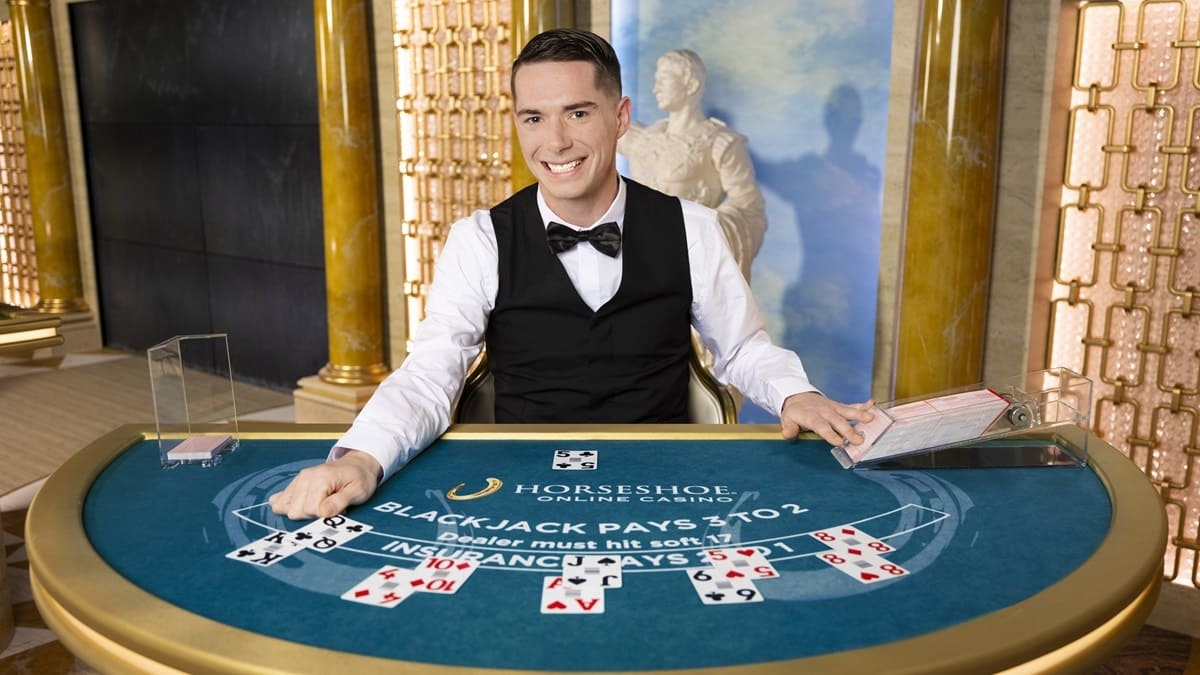
Canada’s online casino market is experiencing a seismic shift, and it’s not driven by bigger bonuses or flashier slots. The real transformation is happening in live dealer studios, where the line between physical and digital gambling is dissolving. As provincial regulators tighten frameworks and players demand authenticity, live dealer studios have become the battleground where operators prove their worth. This isn’t just about streaming a blackjack table; it’s about recreating the psychology of presence, the trust of transparency, and the adrenaline of real time risk.
- Provincial Regulation Drives Quality: Ontario’s iGaming Ontario (iGO) framework forces studios to meet broadcast grade compliance, elevating industry standards across Canada.
- Hybrid Game Mechanics: Studios now blend RNG elements with live action, creating formats like
Lightning Roulettethat traditional casinos can’t replicate. - Latency as Competitive Moat: Sub 500ms streaming infrastructure separates premium platforms from budget operators in markets where every millisecond affects player trust.
- Cultural Localization: French speaking dealers in Quebec, regionally tailored game shows, and Canadian dollar native tables signal a maturation beyond one size fits all solutions.
The Technical Architecture Behind Immersion
Modern live dealer studios operate as hybrid broadcast facilities and software labs. Evolution Gaming’s Montreal studio, for example, employs 12 camera rigs per table, capturing every card shuffle and roulette spin from angles that would make a sports broadcast envious. But hardware is only half the equation.
The real innovation lies in Optical Character Recognition (OCR) systems that translate physical game states into digital overlays in under 200 milliseconds. When a dealer flips a blackjack card, OCR sensors read the suit and rank, update player interfaces, settle bets, and adjust odds boards before the card fully lands on felt. This synchronization requires processing pipelines that handle thousands of concurrent players without introducing lag or desynchronization.
Why Latency Defines Player Retention
In traditional online slots, a 2 second delay might go unnoticed. In live blackjack, a 1 second stream lag creates a visceral disconnect that erodes trust. Players need to see the dealer’s hand reveal in real time, not as a buffered afterthought. Canadian platforms investing in content delivery networks (CDNs) with Toronto and Vancouver edge servers report 18 23% higher session duration compared to competitors routing through European hubs.
Analyst’s Note: The shift to live dealer isn’t just technological it’s psychological. Players tolerate RNG slots because they accept the abstraction. Live games demand the accountability of human presence, which is why studios now hire dealers with hospitality training, not just card dealing skills.
Regulatory Precision as Product Feature
Canada’s fragmented regulatory landscape where Ontario operates under iGO while other provinces maintain grey market tolerance has forced studios to build compliance flexibility into their architecture. A single live roulette stream might serve players in three jurisdictions, each with different stake limits, game speeds, and responsible gaming interventions.
Evolution’s “Canadian Roulette” tables, for instance, enforce C$5,000 max bets for Ontario players while allowing higher limits for offshore licensed participants. The system cross references player geolocation, license status, and session history in real time, applying region specific rules without fragmenting the player pool. This regulatory middleware is now a core differentiator.
The Cost of Trust Infrastructure
Operating a compliant live dealer studio in Canada costs $12 18 million annually when factoring in dealer salaries, studio leases, broadcast equipment, and licensing fees. Smaller operators can’t justify this capex, which is why the market is consolidating around four major providers: Evolution, Playtech, Pragmatic Play Live, and Ezugi. This oligopoly dynamic means casinos compete less on game variety and more on table limits, dealer quality, and stream reliability.
Game Mechanics That Casinos Can’t Clone
The most sophisticated live dealer products aren’t just digitizing blackjack they’re inventing formats that exploit the hybrid digital physical space. Consider Crazy Time, Evolution’s game show roulette hybrid. It combines a physical money wheel with four bonus rounds that exist purely as augmented reality overlays. When the wheel lands on “Cash Hunt,” players enter a shooting gallery minigame rendered in real time 3D, with multipliers determined by the host’s physical actions.
This design philosophy using live dealers as narrative anchors for digital mechanics creates intellectual property that land based casinos cannot replicate. A traditional casino can offer roulette; it cannot offer a format where the dealer triggers RNG bonus cascades tied to physical wheel outcomes. This exclusivity is why Canadian platforms now promote live dealer games above slots in their navigation hierarchy.
The Math Behind Hybrid RTP
Hybrid live games introduce volatility profiles impossible in pure table games. Standard European roulette operates at 97.3% RTP with predictable variance. Lightning Roulette, which adds random multipliers to up to five numbers per spin, maintains the same base RTP but introduces 500:1 max multipliers that spike variance into slot game territory. This appeals to a player demographic that wants the authenticity of live dealers but the dopamine architecture of high volatility slots.
The Player Experience Economy
Canadian platforms are discovering that live dealer retention isn’t just about game selection it’s about dealer personality and interaction density. Pragmatic Play’s “PowerUP Roulette” allows players to purchase multipliers mid game, but its real innovation is the chat moderation system that lets dealers respond to high value players by name, creating parasocial relationships that drive loyalty.
Data from Ontario operators shows that players who interact via chat at least once per session have 34% higher lifetime value than silent participants. This has led studios to hire dealers with improv training and equip them with player history dashboards, allowing personalized greetings like “Welcome back, Alex ready for another Lightning round?”
Pro Tip: When evaluating Canadian live casinos, test the dealer’s responsiveness during off peak hours. Premium studios maintain engagement quality even with minimal players, while budget operations treat quiet tables as autopilot shifts.
Market Maturation and the Next Frontier
The current live dealer arms race is pushing studios toward two divergent strategies. Evolution is investing in vertical integration, acquiring slots studios to create unified game ecosystems where live and RNG products share progressive jackpots. Meanwhile, niche providers like Authentic Gaming are doubling down on geographic exclusivity, streaming from real land based casinos in Canadian resort towns to offer hyper localized authenticity.
The next 18 months will determine whether the Canadian market fragments into premium and budget tiers or consolidates around a few dominant platforms. Ontario’s regulatory model which requires operators to maintain $100,000+ monthly minimums in player protection funds inherently favors scale, suggesting the latter.
The Expertise Bottom Line
Live dealer studios have evolved from novelty features to the core value proposition of Canada’s best online casinos. The technology stack OCR, CDN optimization, regulatory middleware is now table stakes. The real differentiators are dealer training quality, game format innovation, and the psychological infrastructure that makes players feel seen. As provincial regulations tighten and player expectations rise, only studios treating live dealer as broadcast entertainment rather than mere gambling will dominate Canada’s maturing iGaming economy.
For players, this competition manifests as better experiences: lower latency, higher production values, and game mechanics that respect both the thrill of risk and the necessity of transparency. For operators, it’s an expensive but unavoidable reality in a market where trust is the ultimate currency, live dealer studios are the mint.