
Introduction
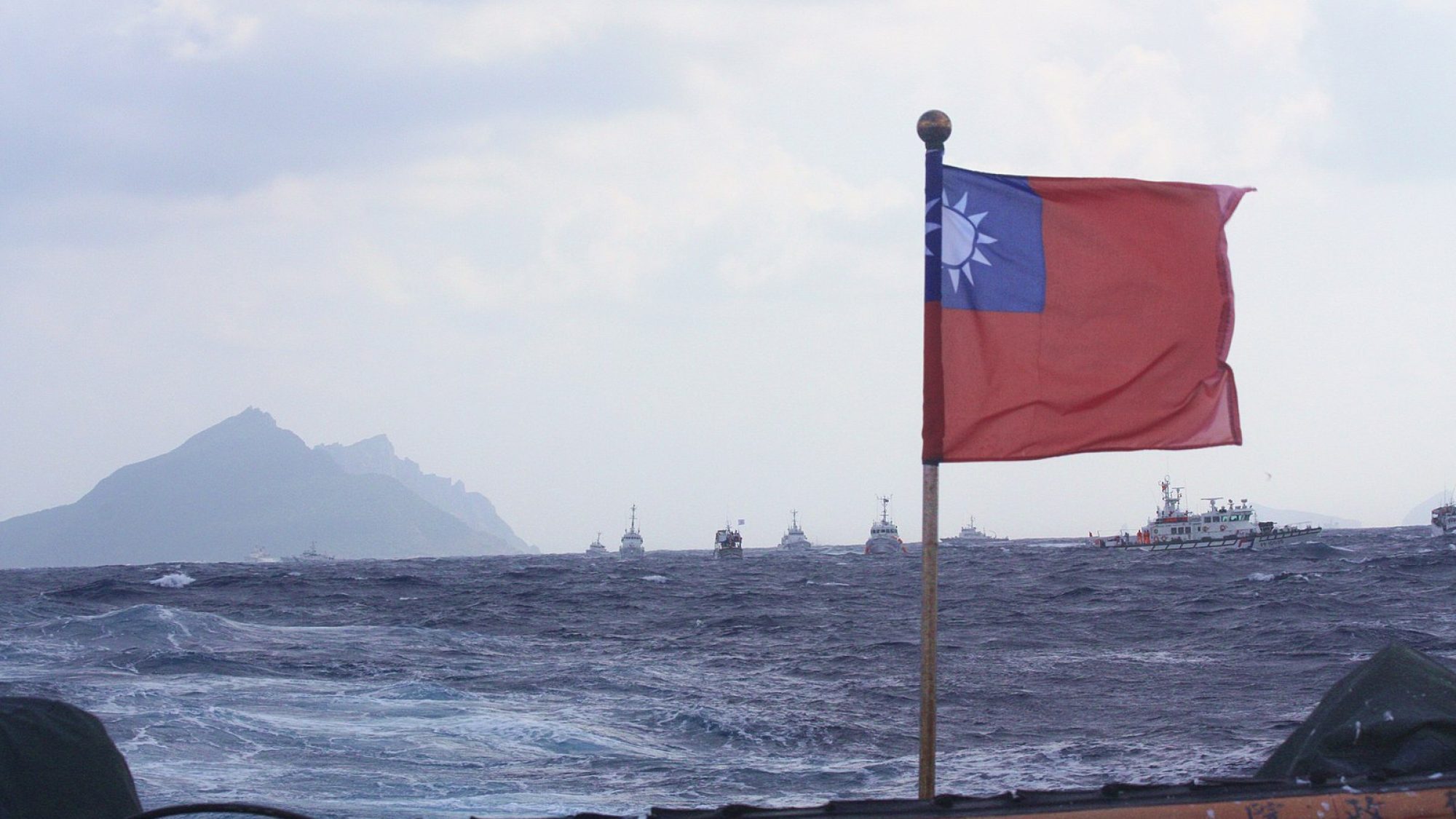
In the Indo Pacific, stability is increasingly defined by proximity to Taiwan. Japan sits at the uncomfortable intersection of geography, alliance politics, and economic exposure, and its posture toward Taiwan is no longer a quiet diplomatic footnote. It is becoming a strategic signal. As Tokyo deepens practical coordination with Taipei and frames Taiwan’s security as linked to Japan’s own, it is also inviting sharper responses from Beijing and forcing the region to confront how quickly a political dispute can turn into a hard security crisis. Japan Taiwan stability is not a theoretical debate anymore. It is a live deterrence problem, with escalation risks shaped by airspace incursions, maritime pressure, and domestic political constraints on all sides.
Key Takeaways
- Japan’s closer alignment with Taiwan is increasing strategic clarity but also heightening Beijing’s threat perception.
- Geography makes Japan a critical actor in any Taiwan contingency, particularly around the Ryukyu island chain.
- Economic interdependence complicates escalation management, especially around semiconductors and supply chains.
- Deterrence gains are real, but so are the risks of miscalculation and crisis compression.
Why Japan Cannot Treat Taiwan as Someone Else’s Problem
Taiwan is close enough to Japan to be a direct security concern rather than a distant diplomatic issue. Any serious crisis in the Taiwan Strait would likely spill into Japan’s maritime approaches and air defense environment. That reality drives a simple policy logic: if Japan waits until a crisis begins to define its role, it has already lost the initiative.
Geography as Strategy
Japan’s southwestern islands create a natural corridor between the East China Sea and the Philippine Sea. In a contingency, those waters and air lanes become strategically valuable for surveillance, logistics, and deterrence posture. This is why Tokyo’s attention to the southwest has sharpened: defensive readiness there is not symbolic it is operational.
What “Entanglement” Actually Looks Like
Japan’s relationship with Taiwan is less about formal recognition and more about practical alignment: political signaling, security planning, and economic resilience. The key shift is tone and frequency. When senior Japanese officials publicly link Taiwan’s security to Japan’s, that is a deterrence message but it is also a commitment marker that narrows room for ambiguity.
Political Signaling and Deterrence
Deterrence is partly psychology. Tokyo’s messaging can strengthen collective resolve and reduce uncertainty about allied coordination. But signaling also has a downside: it can trigger counter signals and pressure campaigns designed to test red lines. The result is a security environment where each actor feels compelled to prove credibility, sometimes through riskier operational behavior.
Operational Pressure and Gray Zone Escalation
Not every crisis starts with open conflict. The more common path is gray zone pressure: air and maritime activity, law enforcement moves, cyber operations, and economic coercion. These actions compress decision making time and raise the probability of incidents the kind that start as local collisions and end as strategic flashpoints.
Analyst’s Note: The real danger is not only deliberate escalation. It is crisis compression when repeated gray zone pressure creates an incident environment where leaders have less time, less trust, and more domestic pressure to respond.
The Economic Layer: Semiconductors, Supply Chains, and Risk
Taiwan’s role in advanced semiconductor production makes the cross strait balance more than a military question. For Japan, which depends on stable regional trade routes and high tech inputs, a Taiwan crisis would be a supply chain shock with immediate industrial consequences. This is where strategic policy meets daily economic reality: resilience planning, stockpiles, diversification, and industrial coordination become security tools.
Risk Is Not Symmetrical
All actors face costs, but they face different kinds of costs. Japan must manage exposure to economic retaliation while maintaining alliance credibility. Taiwan must balance defensive preparation with economic confidence. China must weigh political objectives against financial and reputational fallout. That asymmetry makes crisis bargaining harder, not easier.
Strategic Trade Offs for Japan
Japan’s policy choices are constrained by domestic politics, constitutional interpretation, and public appetite for risk. Strengthening deterrence and readiness can reduce the chance of conflict, but it also increases the country’s visibility as a stakeholder which can draw additional coercive pressure.
Alliance Coordination as Both Shield and Magnet
Japan’s alliance with the United States is its central security pillar. Closer alignment on Taiwan planning strengthens deterrence but can also make Japan a primary target for signaling and retaliation during crises. In effect, alliance coordination reduces strategic uncertainty but increases tactical attention.
Market Comparison: How Japan Differs From Other Regional Actors
Compared with other U.S. partners in the region, Japan has uniquely high exposure: proximity, major bases, and an economy deeply integrated with regional supply chains. Australia may be crucial for logistics, and the Philippines may be pivotal in geography, but Japan’s role is both operational and symbolic. That combination makes Tokyo’s positioning especially consequential.
Expert Verdict
Japan’s deeper engagement with Taiwan is a calculated strategy to strengthen deterrence and protect its own security interests. But the move is not cost free. It heightens Beijing’s perceived threat environment, increases coercive pressure risks, and raises the chance that an incident spirals faster than leaders can control. The region is entering an era where stability depends less on slogans and more on crisis management mechanics: communication channels, rules of engagement, and political restraint under pressure.
Conclusion
Japan’s Taiwan posture is evolving because the regional environment is evolving. What looks like “entanglement” is often the byproduct of geography and alliance commitments colliding with a more contested Indo Pacific. The challenge for 2026 and beyond is not simply choosing sides. It is building a deterrence posture that lowers the chance of conflict while preserving room to de escalate when the inevitable pressure tests arrive.