
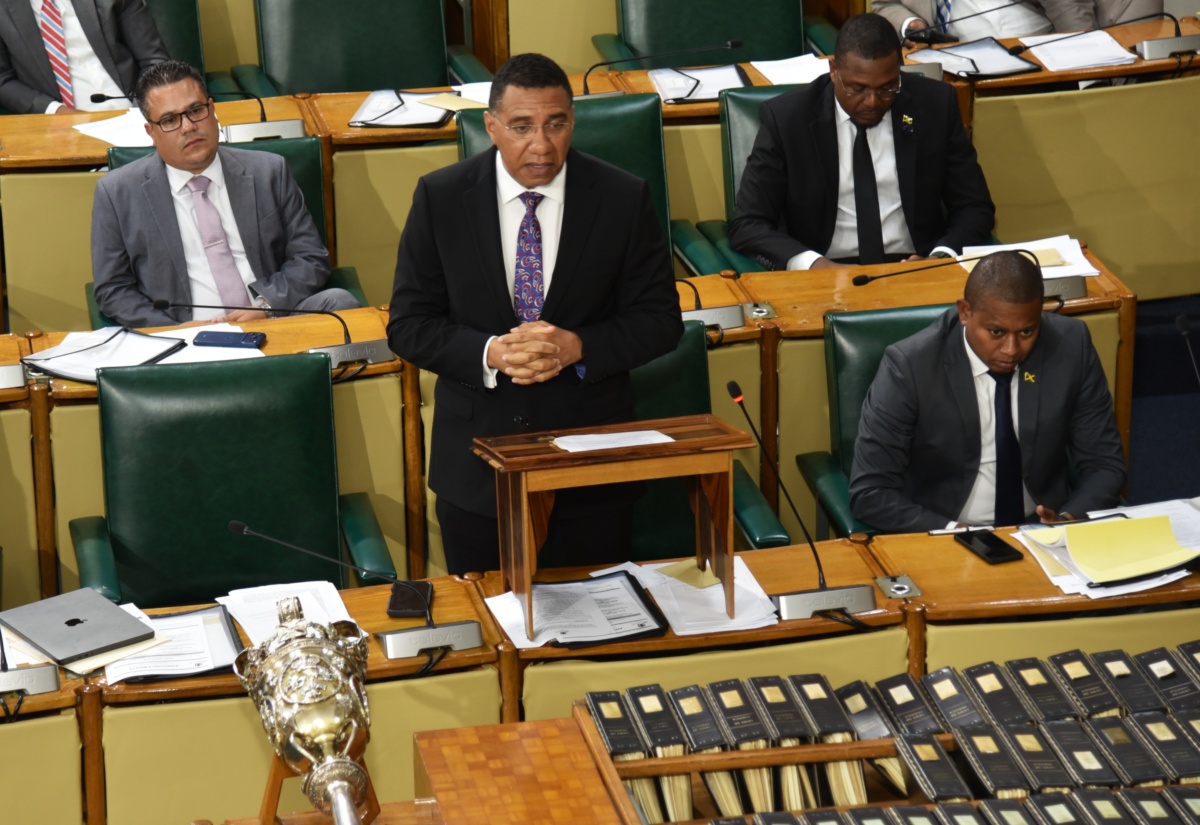
Jamaica’s Parliament just made a move that could reshape the entire English speaking Caribbean’s approach to casino regulation. The country passed sweeping amendments to its Casino Gaming Act 2010, introducing new compliance layers, operational transparency requirements, and player protection mechanisms that go far beyond token regulatory updates. This isn’t just legislative housekeeping it’s a strategic repositioning as regional governments watch online gambling revenue streams explode while trying to avoid the regulatory chaos that’s plagued less prepared markets.
Key Takeaways
- Jamaica amended the Casino Gaming Act 2010 with enhanced compliance and oversight provisions targeting both land based and digital operators
- New regulations introduce stricter
licensing prerequisitesand mandatory reporting standards to combat money laundering and ensure player fund security - The changes position Jamaica as a potential regulatory model for other Caribbean jurisdictions eyeing sustainable iGaming growth
- Operators now face increased scrutiny on responsible gaming protocols and financial transparency raising the bar for market entry
- Timing aligns with broader Caribbean efforts to modernize gambling frameworks amid rising online betting adoption
The Regulatory Pivot: What Actually Changed
The amendments address critical gaps that emerged over the past 14 years since the original Act took effect. Jamaica’s Betting, Gaming and Lotteries Commission now wields expanded authority to enforce compliance across multiple operational vectors. The most significant shift? Mandatory real time financial reporting for casino operators, designed to create an auditable trail that regulators can monitor for irregularities.
Here’s the operational breakdown:
Licensing and Market Access
The revised framework introduces a tiered licensing system that differentiates between land based venues and digital platforms. Applicants must now demonstrate not just financial solvency, but also technical infrastructure capable of supporting geolocation verification, age verification protocols, and self exclusion databases. For international operators eyeing Jamaica as a licensing hub, this raises the investment threshold considerably.
Anti Money Laundering (AML) Provisions
The amendments embed strict AML compliance requirements directly into the Act, aligning Jamaica with FATF recommendations (Financial Action Task Force standards). Operators must now file Suspicious Transaction Reports within 48 hours and maintain customer due diligence records for a minimum of 7 years. This isn’t optional it’s a licensing prerequisite.
Analyst’s Note: Jamaica’s AML push mirrors moves we’ve seen in Malta and Gibraltar. The difference? Jamaica is embedding these at the legislative level from the start, rather than retrofitting regulations after scandals emerge. That’s proactive governance, and it matters for long term market credibility.
The Caribbean Context: Why This Matters Beyond Jamaica
Jamaica doesn’t operate in a vacuum. The wider Caribbean gambling market is fragmenting between jurisdictions that prioritize revenue at any cost and those building sustainable, compliance first ecosystems. Curacao’s licensing regime once the go to for quick market access is facing increasing scrutiny from European regulators. Antigua and Barbuda are modernizing their frameworks. Jamaica’s amendments signal which camp it’s choosing.
Competitive Positioning
By tightening regulations now, Jamaica is essentially future proofing its licensing appeal. Operators who obtain a Jamaican casino license under the new regime can leverage that credential when applying for access to stricter markets like the UK or Canada. It’s regulatory arbitrage in reverse instead of racing to the bottom, Jamaica is climbing toward the middle tier of global compliance standards.
Player Protection as Economic Strategy
The amendments mandate that all casino operators implement deposit limits, session time reminders, and accessible responsible gaming resources. While this might seem like regulatory overhead, it’s actually a defensive moat. Jurisdictions that fail to protect players eventually face intervention from larger markets Jamaica is preempting that risk.
Technical Specs: What Operators Must Now Deliver
The devil lives in the implementation details. Here’s what the amended Act requires at the operational level:
Platform Infrastructure
- Game Fairness Verification: All RNG based games must undergo independent testing by accredited labs (think
eCOGRAoriTech Labs) - Server Location Requirements: Player data and transaction logs must be stored on servers physically located within Jamaica or in jurisdictions with equivalent data protection laws
- Uptime Standards: Operators must maintain
99.5% platform availabilitywith documented incident response protocols
Financial Safeguards
Operators are now required to maintain segregated player accounts, meaning customer funds cannot be co mingled with operational capital. This protects players in the event of operator insolvency a lesson learned from multiple offshore casino collapses over the past decade.
Market Implications: Winners and Losers
Not every operator will welcome these changes. Smaller venues operating on thin margins may struggle with the compliance overhead. But for established brands and well capitalized platforms, this is an opportunity.
Who Benefits
International platform providers with existing compliance infrastructure can enter Jamaica’s market with minimal friction. Companies already operating under MGA (Malta Gaming Authority) or UKGC (UK Gambling Commission) licenses will find Jamaica’s requirements familiar. The amendments also create opportunities for compliance technology vendors someone needs to build the monitoring dashboards and reporting tools.
Who Faces Headwinds
Marginal operators who relied on Jamaica’s previously lighter regulatory touch will need to either level up or exit. The gray market digital casinos that operated in legal ambiguity? They’re now explicitly covered under the amended Act, which closes previous loopholes around online gambling definitions.
Pro Tip: If you’re a player, these regulatory tightening moves are your friend. Higher compliance costs filter out fly by night operators and force platforms to maintain proper reserves. It’s why players in strict jurisdictions like Sweden report fewer payment disputes than those in unregulated markets.
The Road Ahead: Implementation and Enforcement
Passing legislation is one thing; enforcement is another. Jamaica’s Betting, Gaming and Lotteries Commission will need to scale up its technical and legal capabilities to audit compliance effectively. The amendments include provisions for periodic compliance audits and mystery shopping programs to verify that operators are actually implementing the required safeguards.
Timeline and Transition
Existing licensees have a 12 month transition period to achieve full compliance with the new standards. That’s tight but manageable for platforms with dedicated compliance teams. Smaller operators may need to partner with third party compliance services or risk losing their licenses.
Expert Verdict: A Blueprint or an Outlier?
Jamaica’s amendments represent a calculated bet that regulatory quality can become a competitive advantage in the fragmented Caribbean market. If enforcement is consistent and the commission resists regulatory capture, Jamaica could emerge as a trusted licensing jurisdiction the anti Curacao, if you will.
The test will come in 18 24 months when we see whether the commission actually penalizes non compliant operators or if these amendments become another set of rules honored more in the breach. For now, the legislative framework is sound. Execution will determine whether this becomes a regional model or just another regulatory false start.
For players and operators alike, one thing is clear: the days of treating Caribbean gambling licenses as regulatory tourism are ending. Jamaica just raised the stakes.