
Introduction
The sports betting landscape in Iowa is entering a new fiscal era. A recently passed law set to take effect January 1, 2026 will fundamentally change how taxes are applied and withheld on winning sports wagers. This isn’t a minor technical adjustment but rather an alignment of state tax policy with federal thresholds that could alter player expectations and operational compliance for sportsbooks licensed in the Hawkeye State. Bettors who cash in big now need to understand both the timing and mechanics of tax withholding, while operators must update their systems. Understanding Iowa’s tax overhaul offers insight into larger trends in U.S. sports betting taxation and regulatory strategy.
Key Takeaways
- Iowa will align state tax withholding on sports betting winnings with federal tax standards starting in 2026.
- Only bets meeting federal withholding criteria typically wins over
$5,000and 300x the wager will trigger state withholding. - The Iowa state income tax rate for withheld winnings will be
3.8%in 2026. - The changes streamline compliance for sportsbooks but could reduce take home payouts for some bettors.
- These reforms reflect a broader national shift toward standardized gaming tax policy.
From Patchwork to Alignment: Why Iowa Changed Course
Prior to the new law, Iowa’s approach to taxing sports betting winnings lacked clarity and consistency. Under the old system, tax withholding practices varied based on residency and other factors, and sportsbooks often did not withhold state income tax at the point of payout. This created compliance challenges for operators and confusion for winners. With the passage of Senate File 605, the state legislature chose to adopt the federal model for determining when taxes should be withheld. $5,000 and 300 times stake thresholds familiar to anyone who pays federal tax on gambling winnings now also trigger state withholding in Iowa.
Two Step Test for Withholding
The new law effectively implements a two step test for withholding: first, check whether federal withholding applies to the winning bet; second, if federal withholding applies, then Iowa tax must also be withheld. This change simplifies sportsbook reporting obligations and creates a uniform standard for where and when taxes must be collected. It reduces administrative friction for operators who previously had to navigate different criteria for state and federal withholding.
How the Tax Rate Itself Has Shifted
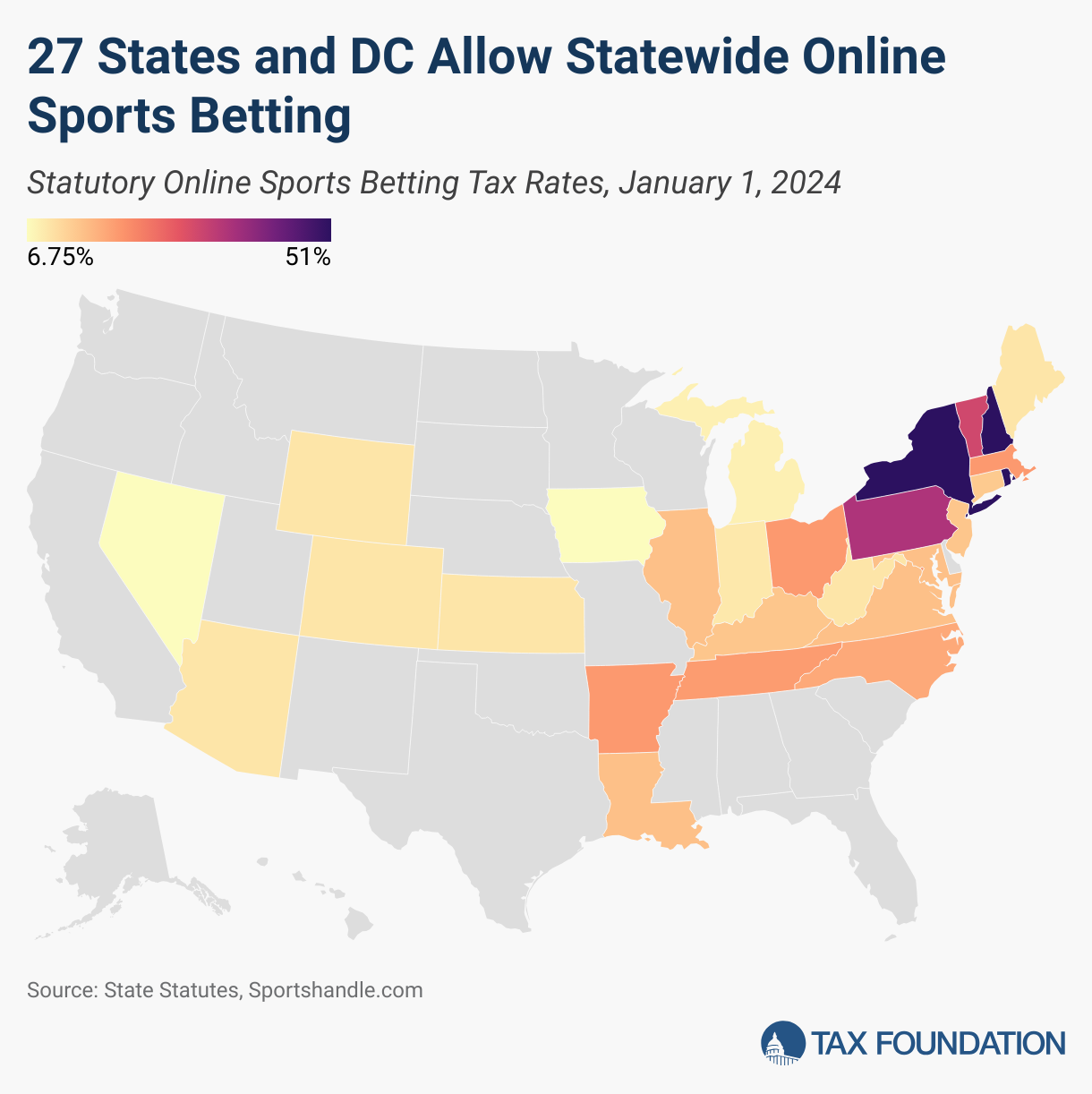
Interestingly, the legislation doesn’t just change the trigger for withholding it also adjusts the tax rate itself. In 2026, Iowa’s income tax on winnings that meet the withholding criteria will be applied at a rate of 3.8%. This represents a departure from the previous top marginal rate of 6.75%, but because withholding will only occur for larger wins subject to federal tax, on the spot deductions may feel more significant to high value bettors.
Analyst’s Note: Tax policy is rarely neutral in gaming changes like Iowa’s can influence both bettor behavior and sportsbook pricing strategies. Operators might adjust promotional offerings or payout policies to mitigate the immediate impact on players.
Impact on Bettors: What Winners Should Expect
Most bettors will not see withholding on modest wins. But for those who win large especially sums that meet federal withholding criteria the change means part of the payout will be held at the time of settlement. While this doesn’t change the ultimate tax liability (players still reconcile their returns later), it can reduce net payouts received immediately. Bettors need to plan accordingly, especially during major sporting events or futures bets where payouts can exceed thresholds.
Operational Change for Sportsbooks
From the operator’s perspective, this isn’t just an accounting footnote. Systems that automatically calculate gross payouts, audits, and compliance reporting will need to incorporate the new rules by January 1, 2026. It’s also an opportunity for sportsbooks to educate users on why withheld amounts appear on certain payouts a communication strategy that can impact player satisfaction and transparency.
Comparison to National Standards
Iowa isn’t alone. Across the U.S., states with legalized sports betting are wrestling with how to structure tax reporting and withholding in ways that mirror federal standards while supporting responsible gaming. Aligning state and federal rules reduces administrative overhead and creates a predictable environment for operators that work across multiple states. In the broader context, this shift reflects an industry wide move toward standardization and a more mature betting market.
Beyond Tax Withholding: Growth and Market Trends
Iowa’s sports betting market continues to grow, with robust monthly handle figures and increasing participation year over year. While tax rates and withholding rules play an administrative role, the underlying growth signals a healthy demand for legal, regulated wagering. For operators and players alike, tax law changes should be seen as part of lifecycle evolution, not an isolated policy shift.
Expert Verdict
The new Iowa law harmonizes state policy with federal tax standards and brings clarity to how sports betting winnings are taxed at the source. For bettors, this means better predictability, though winners of larger sums may notice more immediate deductions. For sportsbooks, the law reduces compliance complexity and positions Iowa alongside other states with cohesive tax frameworks. Overall, the legislation signals a maturing industrial approach to taxation that could serve as a model for other jurisdictions looking to balance revenue needs with player fairness.
Pro Tip: If you’re active in multiple states, consider tracking differing tax withholding rules carefully they can affect your net returns and filing strategies more than you might expect.
Conclusion
Iowa’s upcoming changes to how sports betting winnings are taxed and withheld won’t overhaul the economics of wagering, but they will affect how payouts are processed and how both players and operators plan financially. Aligning with federal standards simplifies compliance and creates consistency a hallmark of a more mature sports betting economy.