
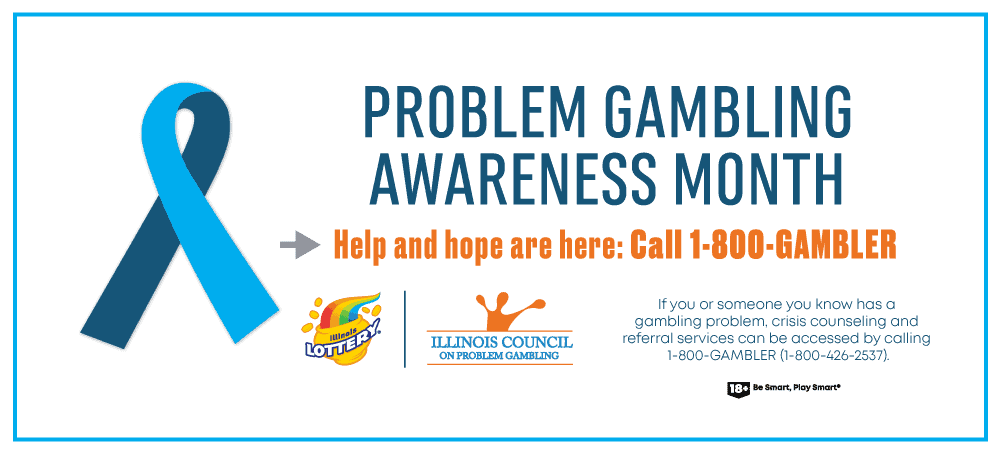
Illinois is treating problem gambling like the public health priority it is, rolling out expanded treatment options and awareness campaigns that place Illinois problem gambling treatment on the same footing as other addiction services. With sportsbooks and online casino-style games now mainstream, regulators, clinicians, and community partners are aligning on funding, training, and access so players have real off-ramps before harm spirals. This is not a perfunctory PSA cycle – it is a statewide recalibration designed to keep the market sustainable while protecting vulnerable bettors.
- State-backed funding is scaling certified counseling and inpatient options.
- Helpline and text services are positioned as fast-entry gateways to care.
- Regulators tie responsible gaming to long-term market stability.
- Community outreach targets early intervention, not just crisis response.
Why Illinois Is Moving Now
Legal wagering growth has been rapid, and so have the signals that harm prevention must keep pace. The Illinois Department of Human Services is foregrounding problem gambling during awareness month, but the real story is sustained investment beyond a 30-day push. With sports betting revenue climbing, lawmakers recognize that responsible gaming infrastructure is a prerequisite for a durable market. The state is channeling dedicated funds into treatment providers, ensuring clinicians are trained on gambling-specific protocols and co-occurring disorders.
Public messaging is now sharper: helplines are not PR tools but clinical entry points. Marketing is shifting from generic slogans to action-driven prompts, directing at-risk bettors to immediate assistance before financial or relational damage compounds. This reframe aligns Illinois with best-in-class jurisdictions that view responsible gaming as core operations, not compliance theater.
The Treatment Stack
Helpline and Text Pathways
Illinois is elevating its 24-7 helpline and text channels as primary intake routes. These are staffed by specialists who can triage urgency, provide brief interventions, and schedule follow-ups with licensed counselors. By pairing phone and SMS, the state reaches demographics that might avoid voice calls, reducing friction to first contact. Expect these services to be front-and-center in operator messaging, as regulators continue to tie licensure expectations to proactive player protection.
Outpatient and Inpatient Care
Counseling networks are expanding to include gambling-certified therapists capable of addressing triggers unique to wagering – rapid transaction loops, in-app bonuses, and 24-7 access. For severe cases, inpatient programs offer structured environments to break compulsive cycles. The state is spotlighting free or subsidized options so cost does not block entry. Integration with financial counseling is becoming standard, acknowledging that recovery is as much about stabilizing money behaviors as it is about abstaining from bets.
Community-Based Supports
Illinois is leaning on community organizations to host education sessions, early screening, and peer-led recovery groups. Faith-based institutions, local nonprofits, and campus wellness teams are being equipped with toolkits so they can spot signs of harm sooner. This distributed approach recognizes that not every at-risk bettor will self-identify through operator tools, making grassroots detection a critical layer.
Regulatory and Market Signals
Operators are under increasing scrutiny to surface responsible gaming controls prominently: deposit caps, time-outs, and cool-off periods must be intuitive, not buried. As the market matures, expect tighter expectations around data sharing for research – anonymized player patterns can inform where and how to intervene. This feedback loop benefits operators too: maintaining lifetime value depends on preventing burnout and churn from harm.
Analyst’s Note: Jurisdictions that front-load responsible gaming typically face fewer headline-grabbing crises later. Illinois is positioning itself to avoid the backlash cycle that has rattled other markets.
Marketing guardrails are also in focus. With college campuses and young adults highlighted as risk zones, Illinois regulators are likely to keep tightening advertising around vulnerable audiences. Compliance teams should anticipate stricter creative reviews and clearer consent flows, especially on push notifications tied to promos.
How Players Can Navigate Safely
Use Built-In Controls
Every licensed platform in Illinois must offer deposit limits, loss limits, and time-based session locks. Setting these up on day one is the best hedge against impulsive play. Treat these features as default hygiene, not optional extras.
Know the First Responder Tools
The state helpline and its text-to-talk counterpart are designed for immediate relief. Save the number before you need it, and share it with friends who wager. Quick outreach can prevent a spiral that would otherwise require more intensive care.
Assess Your Risk Regularly
Illinois campaigns now include brief self-assessments that flag early warning signs: chasing losses, hiding spend, or using credit for wagers. Running these check-ins monthly is a pragmatic way to stay honest with yourself.
The Bottom Line
Illinois is signaling that responsible gaming is non-negotiable infrastructure for a thriving wagering ecosystem. By funding clinical pathways, demanding operator transparency, and activating community partners, the state is building a resilient safety net. For players, the message is clear: tools and support are available before harm sets in. For operators, this is a reminder that sustainable growth hinges on keeping customers safe and informed. If Illinois maintains this trajectory, it could become a template for other states balancing revenue ambitions with genuine player protection.