
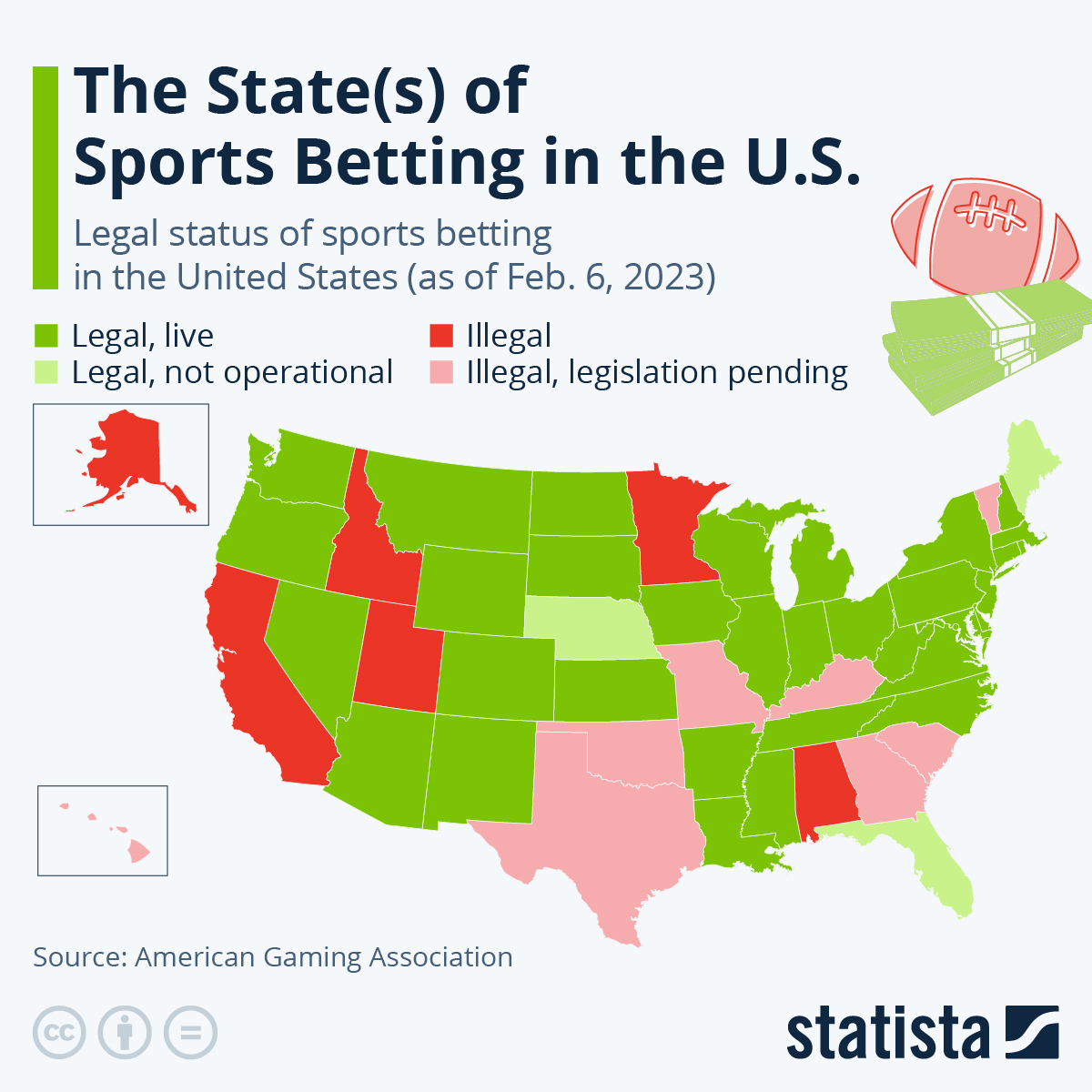
As of late 2025, California remains without legal sports betting despite being the most populous U.S. state and a huge untapped market for regulated wagering. Attempts to legalize both retail and online sports betting have repeatedly failed, and tribal sovereignty, ballot initiative complexity and competing interests have kept the state on the sidelines even as dozens of others moved ahead with regulated markets. At the heart of the debate is a fundamental tension over who would control a future market, how revenues would be shared and whether a solution can win both tribal and voter support.
Historical Setbacks and Ballot Failures
California has tried and failed multiple sports betting legalization efforts. In the November 2022 election, two ballot propositions aimed at creating a legal sports betting framework Proposition 26 for in person wagering at tribal casinos and racetracks, and Proposition 27 for mobile and online betting through commercial partners both were rejected by wide margins. Voters said no to both initiatives, leaving sports wagering illegal statewide.
Subsequent efforts to bring new proposals to the ballot in later election cycles also stalled. A 2024 attempt to qualify initiatives for the ballot failed as proponents withdrew plans before voters had the chance to consider them. Without a successful ballot initiative, the state legislature lacks the authority to impose fundamental changes to the state constitution governing gambling rights.
Competing Interests: Tribes and Operators
Much of the political struggle over sports betting in California stems from discord between tribal governments and commercial sportsbooks. Native American tribes operate casino gaming under compacts and often oppose proposals they feel threaten their exclusivity or sovereignty. Earlier plans to unify tribes and commercial entities behind a single ballot initiative have faced internal resistance and disagreement, making collective momentum difficult to achieve.
Public Opinion and Potential Shifts
Despite repeated ballot defeats, public sentiment appears to be shifting. A 2025 poll found that a majority of California voters are open to legal sports betting, with around 60% expressing support for legalization. This suggests that while past initiatives failed due to specific ballot language or leadership disputes, the underlying appetite for a regulated market may be growing.
However, support in principle is only one part of the picture. Any future initiative must carefully balance tribal priorities, revenue distribution, taxation and regulatory standards to secure approval from both tribal coalitions and the broader electorate. Failure to meet these dual objectives could again doom efforts at the ballot box.
Regulatory Landscape and Alternatives
Until sports betting is legalized, Californians lack access to licensed sportsbooks like those available in neighboring states such as Nevada and Arizona. Instead, residents can participate in daily fantasy sports and certain social betting platforms that do not offer cash prizes, though many of these sweepstakes style games are being restricted under new laws taking effect in 2026.
The Road Ahead: Timelines and Obstacles
Industry observers and tribal leaders have indicated that California is unlikely to see legal sports betting before 2026 or even as late as 2028. Tribal leadership has publicly stated that they are not prepared to put another sports betting initiative on the 2026 ballot, citing the need for broader consensus and careful planning.
Legalisation efforts face several structural challenges. Because tribal gaming operates under federal law through the Indian Gaming Regulatory Act, tribes play a central role in negotiating how any new form of wagering would work legally. At the same time, California’s sheer size and the diversity of interests among its more than 100 federally recognised tribes makes unified action difficult.
Economic Stakes and Potential Revenue
The potential economic impact of legal sports betting in California is substantial. Analysts and industry advocates argue that regulated wagering could generate billions in tax revenue, create jobs and fund public services. This wealth of potential revenue is a key motivation for proponents of legalization and suggests that interest will persist until a workable proposal is successful.
What Legalisation Could Look Like
Future models for California sports betting may involve a uniquely tribal shape, with a hub and spoke or unified tribal framework where one entity oversees partnerships with major sportsbook brands. This approach could satisfy both tribal sovereignty concerns and consumer demand for regulated betting. Commercial operators like DraftKings and FanDuel have already engaged in preliminary discussions with tribal leaders about how such frameworks might work if and when legalization advances.
Any successful initiative will likely need to address key regulatory questions, such as tax rates, the structure of mobile and retail licences, compliance with age and responsible gaming rules, and protections against unregulated operators. Crafting ballot language that satisfies both stakeholders and voters will be crucial for any future campaign.
Alternatives and Current Legal Options
- Daily fantasy sports remain legal and popular in California as a legal alternative to sports betting.
- Social sportsbook style platforms will be restricted under new 2026 laws targeting sweepstakes models.
- Residents can travel to nearby states with legal sports wagering for regulated betting experiences.
For now, California remains on the sidelines as 39 states have embraced legal sports wagering. Whether its electorate and tribal leaders can finally align on a proposal that satisfies voters and stakeholders alike will determine if and when the Golden State joins the regulated sports betting fold.